When your main gets nerfed, the developers lowered its damage, cooldowns, mobility, or some other number in a balance patch, and every combo, build and timing window you spent hundreds of games learning is now slightly off. Most players need 20 to 30 games to re-adapt, and the ones who adapt fastest are the ones who treat a nerf as a rebuild rather than a loss. Here is how to adapt when your main gets nerfed, step by step, with a backup plan ready before you need one.
The mistake almost everyone makes is quitting the character in the first queue game after the patch. That game was played on memory, not on the new numbers, so it tells you nothing useful about whether the pick is still good.
Table of Contents
- What You Need
- The patch text, read line by line
- The old numbers, side by side with the new ones
- A place to practice that does not cost you rank
- A place to record numbers
- Twenty minutes of someone else’s VOD
- How to Adapt When Your Main Gets Nerfed
- Step-by-Step: Reassess Your Main’s Role
- Step-by-Step: Change Your Game Plan
- Step-by-Step: Practice in Short Focused Sessions
- Step-by-Step: Keep a Backup Plan for Ranked Games
- Step-by-Step: Review Results and Lock In the Best Version
- Common Mistakes
- Frequently Asked Questions
- How long does it take to adapt when your main gets nerfed?
- Should I keep playing my main after it gets nerfed?
- How do I know if my nerfed main is still viable?
- What is the best way to practice after a character nerf?
- When should I switch from my nerfed main to a backup character?
What You Need
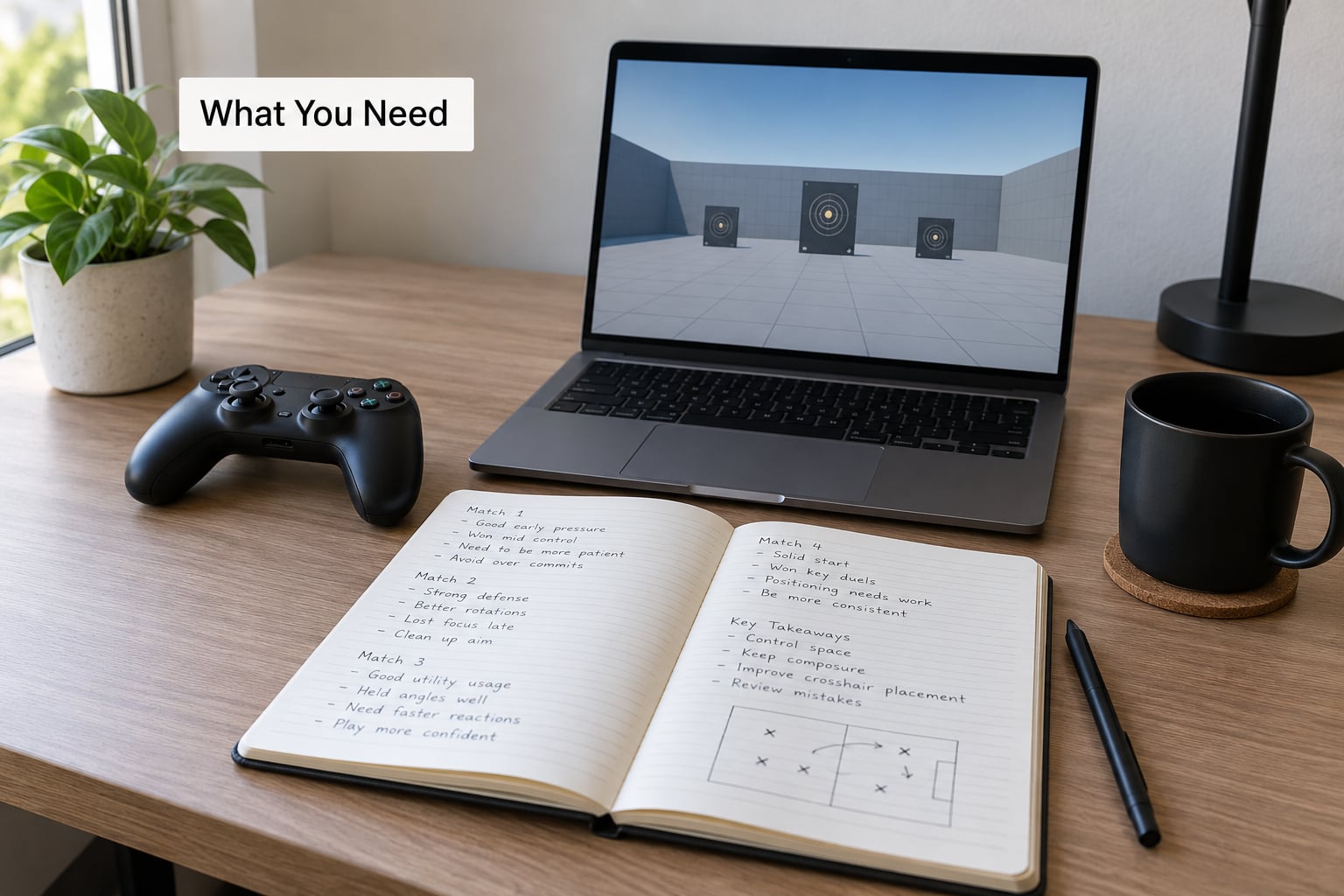
You need four things before you touch your strategy: the patch text itself, the number you had before, somewhere to test, and a way to write down what happened. That is it. Everything else people recommend in the first nervous hour after a nerf is noise.
The patch text, read line by line
Open the official notes for the patch and find your character. Do not read a summary, a video, or a tier list. Read the sentence about your pick and write down every number that changed.
Patch notes live in different places depending on the game: in League of Legends they sit on the official site with a wiki mirror for old patches, in Overwatch and the other Blizzard titles they are on the official forum, and in fighting games they usually ship inside the title itself under news or battle updates. Knowing the right source in your own game is the first half of reading them properly.
The old numbers, side by side with the new ones
Half of what people call a nerf is a change they misremember. A cooldown that feels much longer is often a three-second change on an ability you used in a specific order.
Write the before and after in one column each. If a wiki lists historical values, use it. If not, the patch archive usually keeps the previous version of the page, and that page is the only honest baseline you have.
A place to practice that does not cost you rank
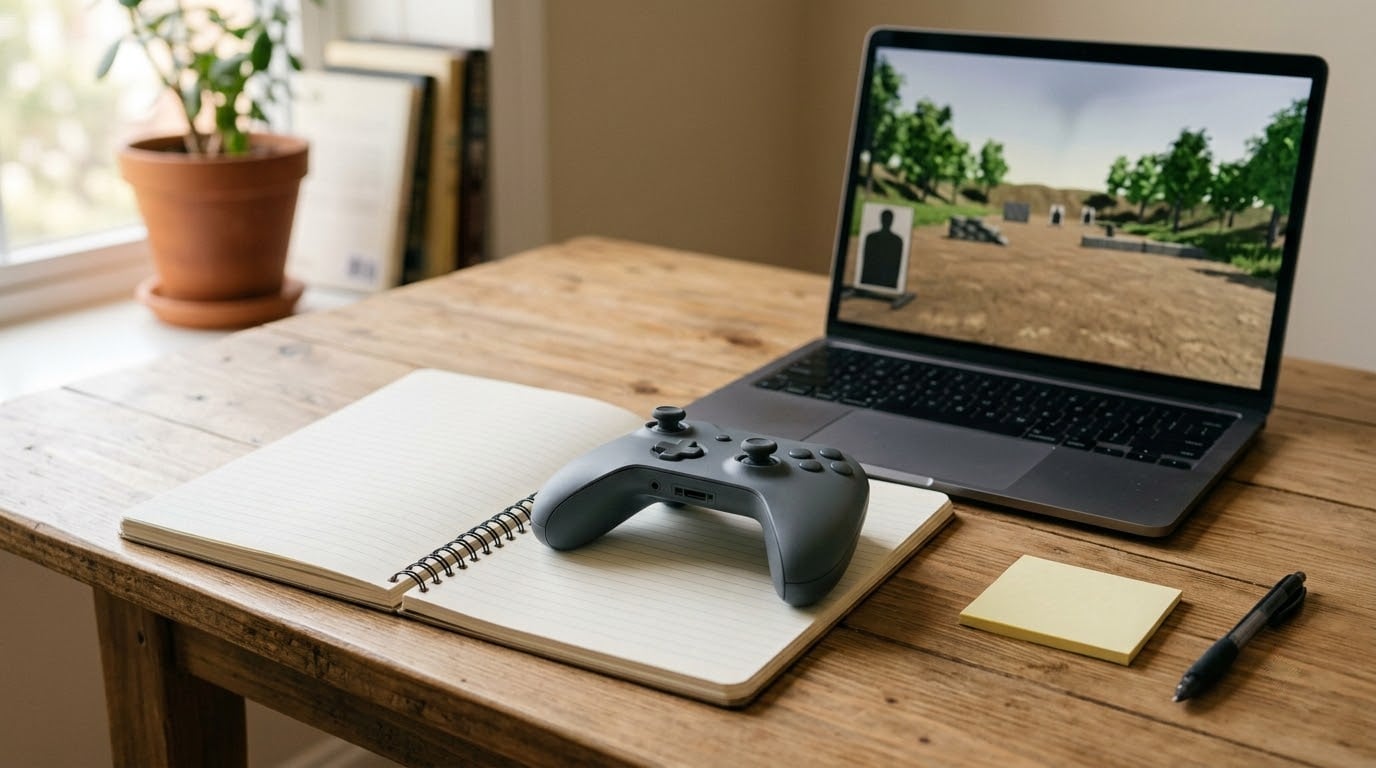
Training ranges and practice modes exist for exactly this. Whatever your game calls it, you want a mode where you can reset position, watch the damage number, and repeat the same exchange without a teammate judging you.
A place to record numbers
A phone note is fine. You want four things per session: how many games, what you changed, whether it worked, and what felt wrong. Players who skip this step usually re-learn the same mistake three times.
Twenty minutes of someone else’s VOD
Watch a high-ranked player using your pick post-patch. Pros adjust inside a day or two, usually because they are the ones the patch was written around. Watching how they spend the first ninety seconds tells you more than any written guide put together before the patch landed.
How to Adapt When Your Main Gets Nerfed
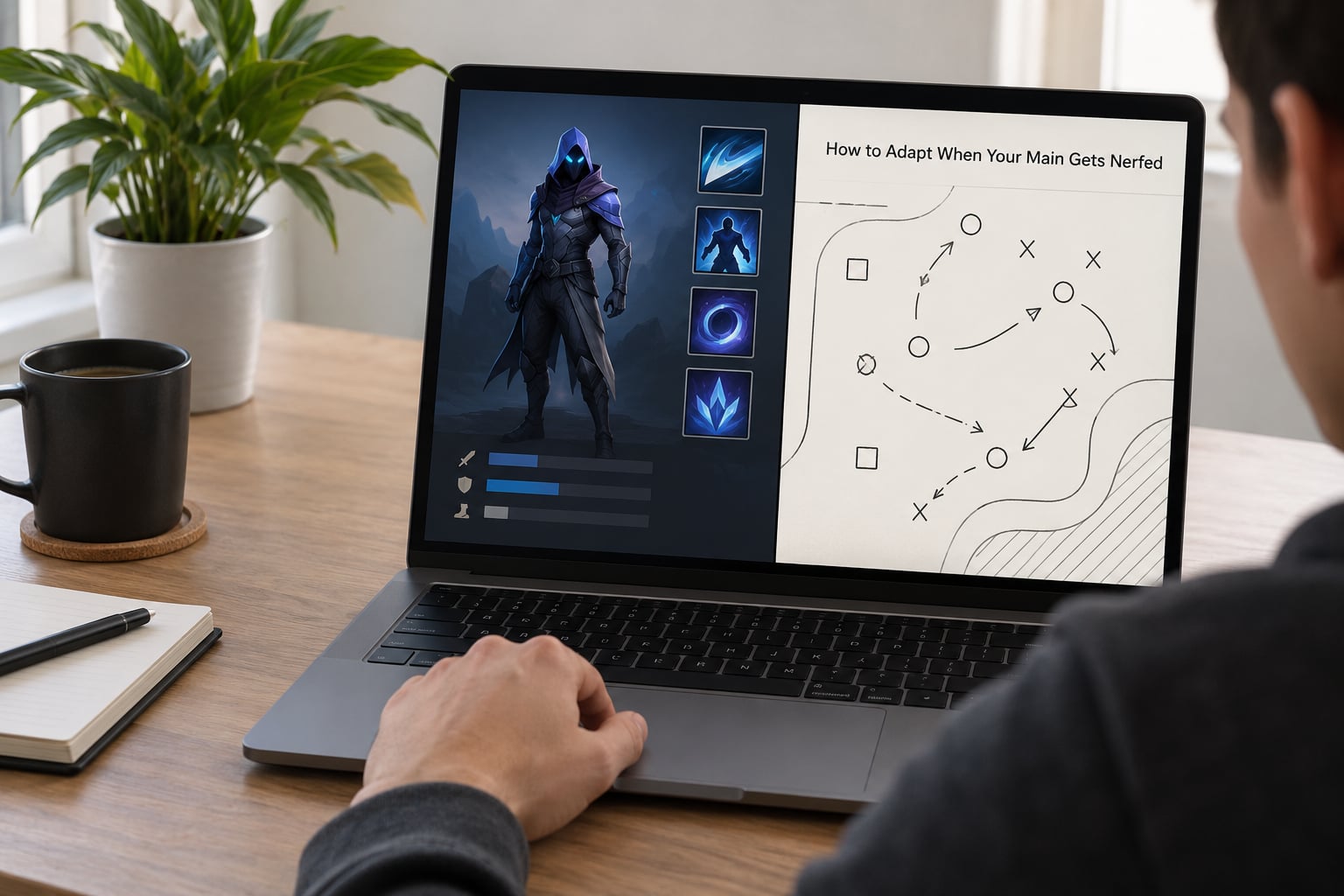
The process has five parts: work out exactly what changed, decide what your main is for now, change one thing at a time, test it in short focused sessions, and keep a second plan ready for when your main is picked around. Most of the work sits in the first two steps, and both of them take an evening rather than a season.
Step-by-Step: Reassess Your Main’s Role
Before changing anything, write one sentence describing what your pick is for. Not what it was for, what it is for now, after this patch.
Say it in terms of a job: the damage you land in the first ninety seconds, the fights you can reliably start, the lane you win outright, the objective you control. Then check that sentence against the new numbers. A character whose job was burst damage and who now has a tenth less of it is still a burst character, just a smaller one, and a different build can cover the gap.
Players who struggle after a nerf are usually the ones who never had that sentence. Their pick was a feeling, so when the numbers moved, the whole thing felt broken with no way to rebuild it.
Step-by-Step: Change Your Game Plan
Now edit the plan, one variable at a time. Keep a list, because the temptation to change six things in one game is strong and it teaches you nothing.
Start with the opening. If an ability is slower, you may need to commit earlier rather than looking for the same perfect setup. If it is weaker, the answer is often to stop trying to solo everything and to build around the objectives your team can win instead.
Then look at your items or abilities page. Old guides go stale within hours of a patch, and a build that assumed the full value of a stat now assumes less. Rebuild it from the current numbers rather than copying whatever loads first in a search.
Finally, revisit positioning. Nerfs frequently move the safe distance for an ability, and standing at your pre-patch range usually means standing one step too far forward.
A useful trick is a three-colour matchup plan. Green matchups you still win with your normal pattern, yellow matchups where the new pattern needs a small adjustment, and red matchups where you plan to give up the lane and play for something else. Post-patch, a lot of formerly green matchups quietly turn yellow.
Step-by-Step: Practice in Short Focused Sessions
Twenty focused minutes beats three hours of queue games. Each session should test one specific thing and end with a written verdict.
A structure that works: ten minutes in the training range on the single mechanic that changed, ten minutes on the full rotation you actually use in a game, then ten games of low-stakes play where the only rule is to notice, not to fix. Fixing in real games is how the new bad habits form.
Track four numbers over the block rather than win rate alone, because win rate moves too slowly to learn from in ten games: deaths before the ten-minute mark, how often you hit the objective you planned, whether you finished your first item on time, and how many of your deaths came from the same mistake.
Step-by-Step: Keep a Backup Plan for Ranked Games
Pick one backup before you need it. Not four, one, and it should be playable, not just familiar from a tutorial.
The best backup is the character whose job is the opposite of your main’s, so together you cover the team. If your main wins lane hard, your backup should be stable and safe. If your main is a roaming playmaker, the backup should hold ground without you.
Then decide in advance what triggers a swap. A clear rule beats an in-the-moment decision, because the moment your main is losing is exactly when judgment is worst. Common triggers: your main gets hard-countered three games in a row, or your numbers are still well below your baseline in ranked after ten games of real testing.
Keep the backup sharp with a handful of games a month. Community discussion keeps landing on the same point: the players who survive patch after patch are the ones who adapted their pool, not the ones who re-rolled.
Step-by-Step: Review Results and Lock In the Best Version
After 20 to 30 games with the adjusted plan, look at the four numbers you started tracking and compare them to your pre-patch baseline.
Three outcomes are possible. Your numbers came back close to baseline, which means the adjustment worked and you keep it. Your numbers are steady but lower than before, which usually means the pick is now a solid second or third choice rather than a blind pick. Or your numbers dropped across the board, which is the signal to lean on your backup while watching for the next patch.
That third outcome is not a failure. A pick that drops from dominant to contested is still playable, and plenty of players end up enjoying the weaker version of their favourite character more than the dominant one, because they finally learned the parts of the kit they had been ignoring.
Common Mistakes
Quitting on patch day. Your first few games are played on memory built for the old numbers, so they measure nothing. Fix: give yourself a ten-game trial period before you decide anything, and write down the results.
Changing everything at once. If you change build, route, and aggression level in the same session, a bad game tells you nothing about which change hurt. Fix: one variable per block of ten games.
Trusting guides written before the patch. Tier lists and build guides from last week describe a character that no longer exists. Fix: check the publication date, and rebuild from current numbers when in doubt.
Ignoring team composition. A character that was strong alone can be dead in a specific draft, and the draft is part of your plan, not something that happens to you. Fix: check what your team already has before you lock your pick.
Confusing a nerf with a rework. A rework replaces the kit, and old muscle memory is worthless. A nerf adjusts numbers, and the skill you built still mostly applies. Fix: learn the vocabulary so you know which one you got.
Letting forum arguments eat the evening. Whether the nerf was justified is genuinely debatable and does not change your build. Fix: read the debate once, take the useful matchup notes, close the thread.
Treating the loss streak as personal. Losing after a patch often feels like an attack on your identity, because for a lot of players the main and the self-image are the same thing. Fix: cap the session, log the numbers, and stop for the day when the log says the losses are all the same mistake.
Running one-trick with no safety net. A single-character pool collapses the moment your pick is contested or banned. Fix: one playable backup and one simplified version of your original strategy, ready before the next patch lands.
A quick glossary helps while you read the notes: a nerf lowers a pick’s power, a buff raises it, a hotfix is a small change shipped outside the normal patch cycle, a rework replaces the kit outright, a soft nerf weakens something indirectly by buffing what beats it, and power creep is the slow inflation of new characters over old ones.
Frequently Asked Questions
How long does it take to adapt when your main gets nerfed?
Most players need 20 to 30 games of focused practice to re-adapt, roughly a week or two of regular play. Numbers-only nerfs settle faster, often in under a week. A rework takes much longer because the kit itself has changed and old muscle memory has to be rebuilt from scratch.
Should I keep playing my main after it gets nerfed?
Usually yes. Nerfs reduce numbers far more often than they remove a character’s identity, and the skill you built still mostly applies. Players who abandon a pick immediately tend to start a brand new main from zero. Keep playing, run a ten-game trial, and judge on your own tracked numbers rather than on how the first game felt.
How do I know if my nerfed main is still viable?
Check three things after 20 to 30 games: whether your tracked numbers have returned close to your pre-patch baseline, whether the character still wins its key matchups after your adjusted plan, and whether it is still worth drafting when offered. If the pick is stable but weaker, it is often still worth taking in the right draft, just not as a blind pick.
What is the best way to practice after a character nerf?
Short focused sessions beat long queue runs. Start with ten minutes in the training range on the one mechanic that changed, then ten minutes on your real rotation, then ten low-stakes games where you only notice problems without fixing them. Change one variable at a time and write down whether it worked, or you will re-learn the same mistake repeatedly.
When should I switch from my nerfed main to a backup character?
Set the rule before the patch, not during a losing streak. A common one is three hard-counter losses in a row, or tracked numbers still well below your pre-patch baseline after ten real games. If your main is being contested every draft, lean on your backup more rather than less. The goal is a pool that keeps working, not loyalty at any cost.
Start tonight with the patch text. Write down what changed, rewrite your main’s job in one sentence, then take a single character you can use when your pick is contested. Give the new plan 20 to 30 games before you judge it, and keep a backup that you have already played enough to trust.