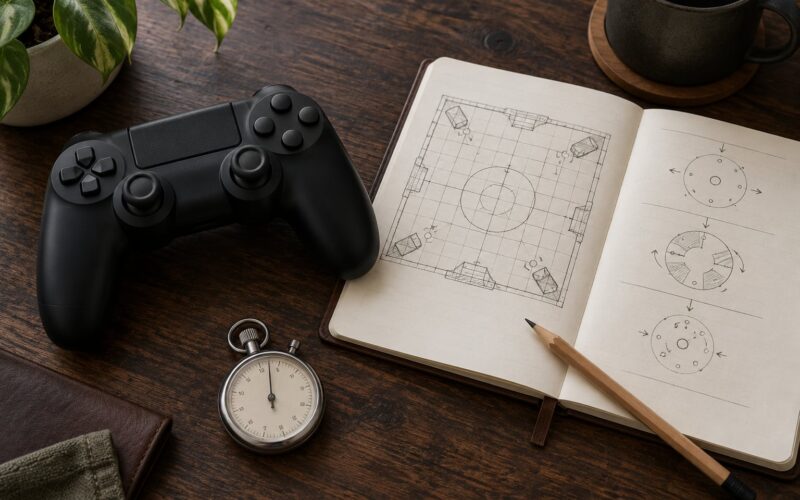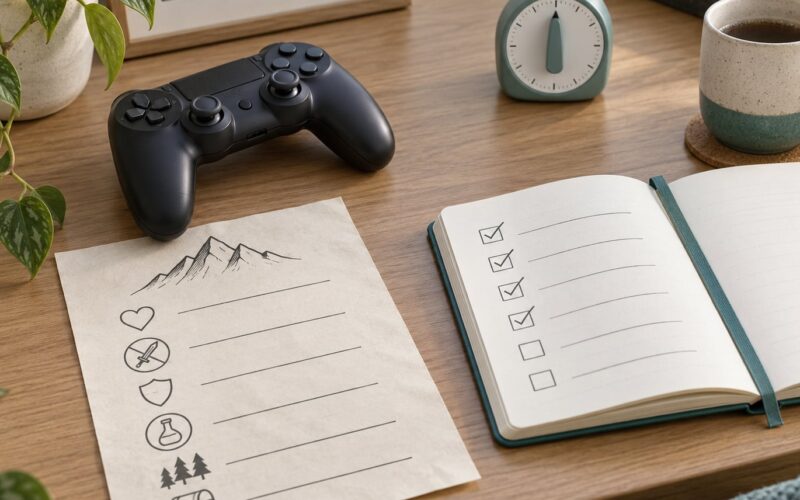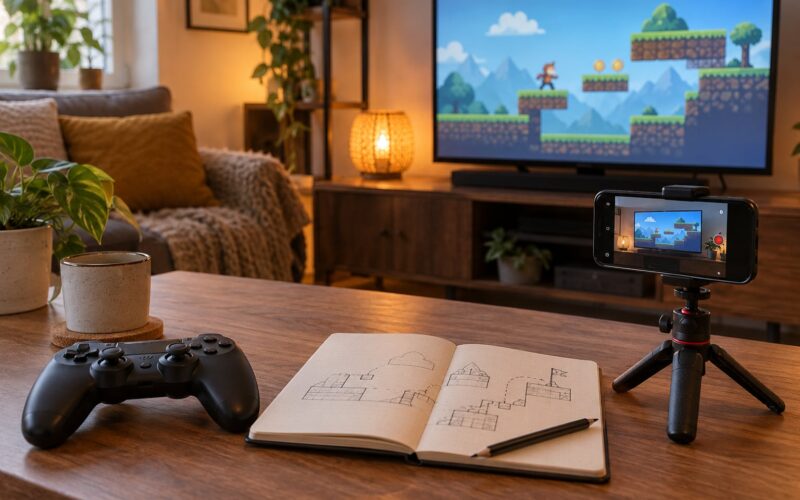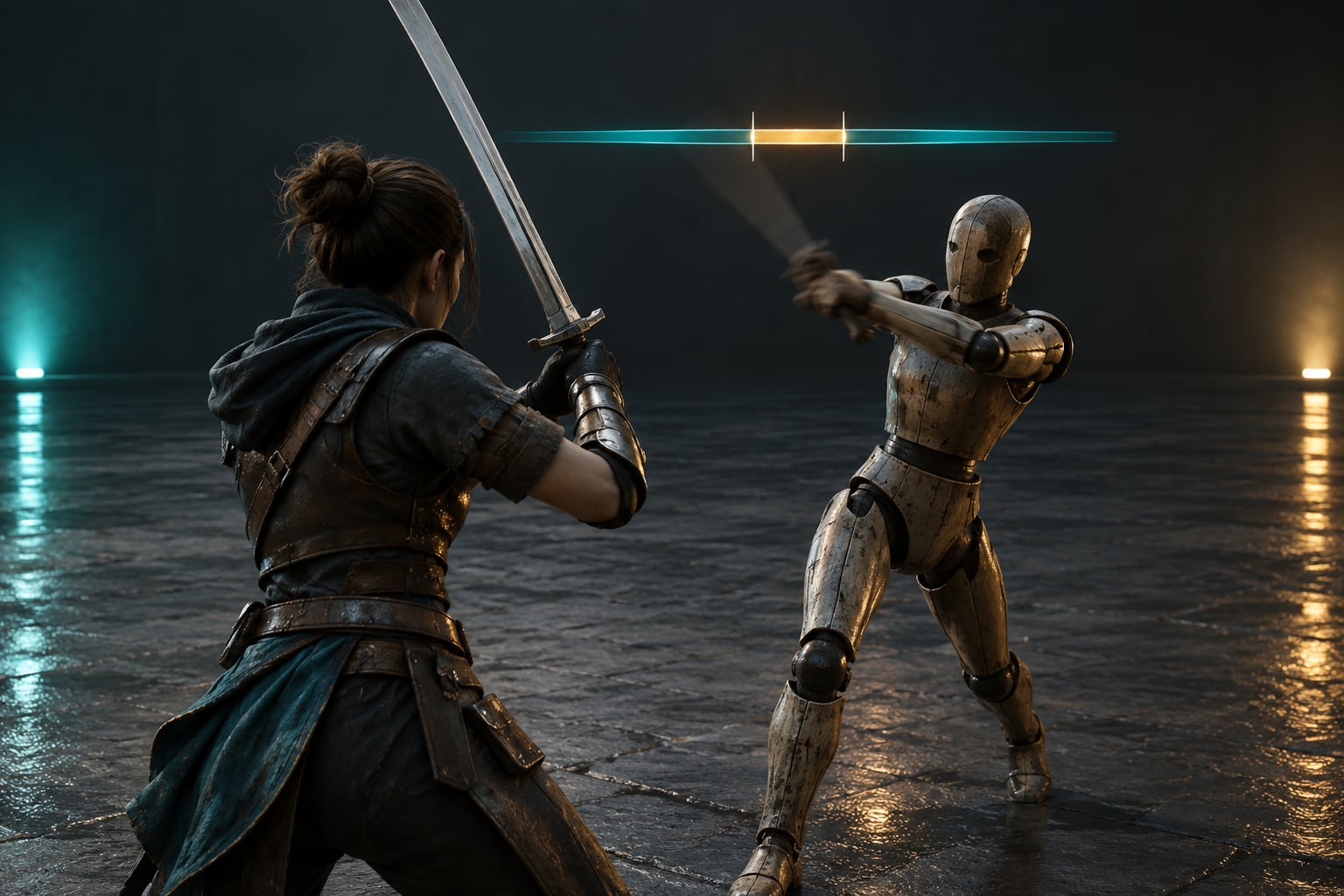
Most players who ask how to parry consistently in action games already land the occasional one. The problem is not that they cannot do it, it is that the success rate collapses the moment an enemy throws a three-hit string. The fix is unglamorous: press the parry button at the moment the attack makes contact, not when the enemy starts moving, and drill one single attack until ten out of ten lands.
That advice is shorter than most guides make it sound, because a lot of the confusion out there comes from mixing up four different systems that all get called parrying. A tap-parry in one game and a rhythm deflection in another are not the same skill, and the timing advice that fixes one will make you worse at the other.
The eight steps below go in order, from recognising the incoming attack to a repeatable twenty-minute routine. If you only have five minutes today, do step six.
Table of Contents
- What You Need
- Step-by-Step: How to Parry Consistently in Action Games
- Identify the Attack Before It Lands
- Learn the Parry Window
- Hold a Defensive Stance Without Panic Mashing
- Read Windups and Recovery Frames
- Choose the Right Defensive Response
- Practice One Repeated Attack at a Time
- How to Parry Consistently in Real Combat Without Losing Pressure
- Use a Simple Consistency Practice Routine
- Common Mistakes
- Frequently Asked Questions
- Should I parry on the wind-up or at the moment of contact?
- How long does it take to get consistent at parrying?
- Is mashing the parry button ever correct?
- Do stats or upgrades make parrying easier?
- What is the difference between a parry, a block and a deflect?
- Why do my parries sometimes not register even though the timing feels right?
What You Need
You do not need a better controller, a gaming monitor, or a stats build. You need four things, and three of them are habits.
- A forgiving game to learn in. Bloodborne comes up constantly for this reason, because its Rally system lets you recover health after a hit while you are learning. Ghost of Tsushima has an accessibility option that widens the timing window, and Jedi: Fallen Order lets you adjust the parry window size directly. Anything with a training arena or a respawning dummy works too.
- One enemy attack to isolate. Pick a single swing from a single enemy and ignore everything else in the fight. Fighting a boss while trying to learn a new timing habit is the most common reason people plateau.
- A way to count. Ten attempts, and a note of how many landed. Eyeballing it produces no improvement because your memory of a near-miss and a clean hit feels identical while you are still learning.
- A plan for the whiff. Decide now what you do after a miss. Panic-mashing after a failed parry is the single biggest reason a good run turns into a bad one.
Step-by-Step: How to Parry Consistently in Action Games
Identify the Attack Before It Lands
Sort every incoming attack into one of four buckets: horizontal swing, thrust, grab, or unblockable. Thrusts and grabs cannot be blocked in most systems, so they need a dodge or a step, and treating them like a swing wastes the health you were trying to save.
The bucket is less important than the habit of classifying before you react. Players who watch their health bar instead of the enemy lose the ability to tell a slow overhead from a fast jab, and those two need different windows.
Learn the Parry Window
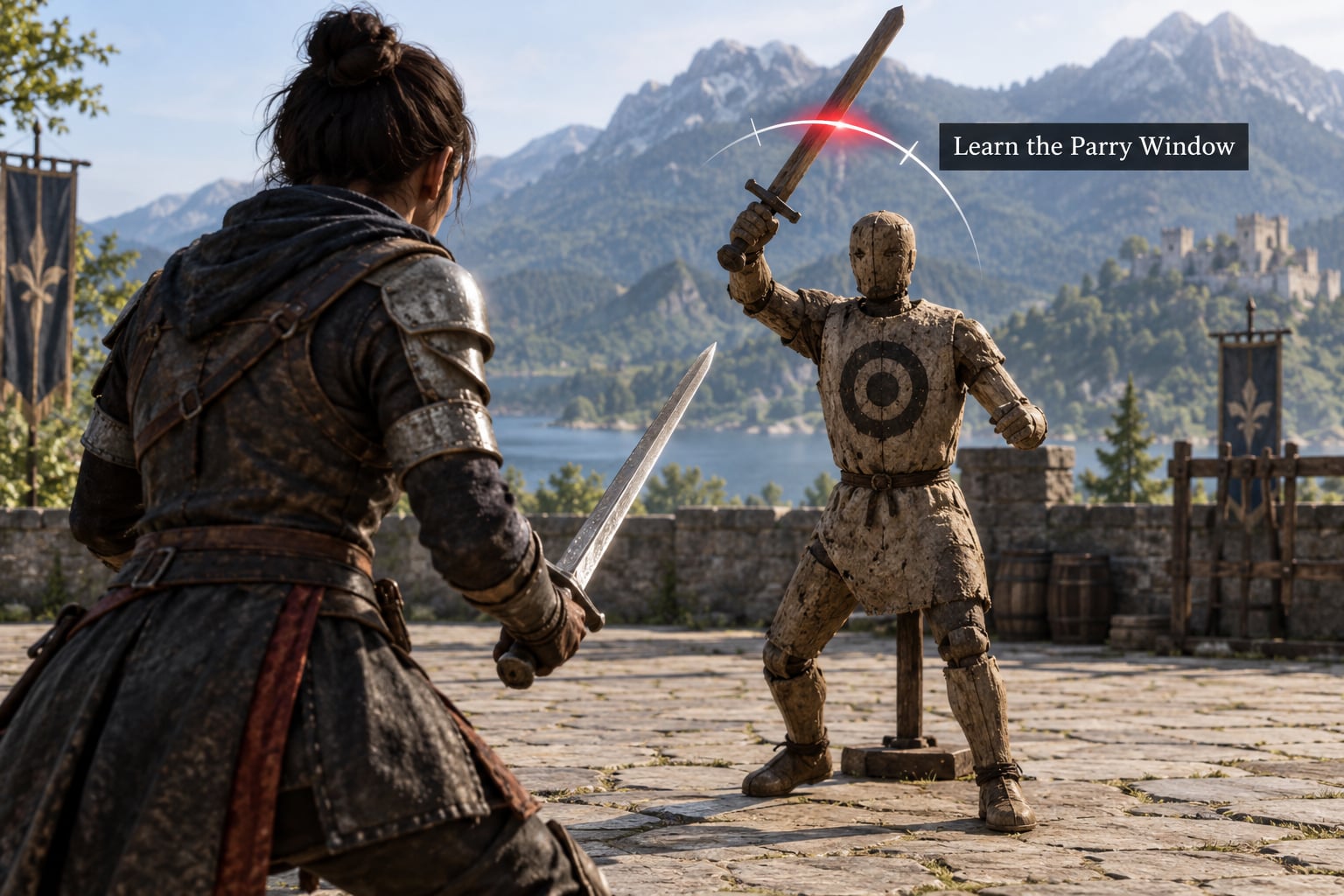
A parry only succeeds when the attack lands while your defensive input is active. Press too early and the window closes before contact, so you eat a clean hit from a perfectly good parry animation.
That window is measured in frames. At 60 frames per second, a twelve-frame window is roughly two-tenths of a second, which sounds impossible until you realise you do not have to hit it precisely, only early enough to stay open and late enough to still be open.
Most engines also buffer a few frames of input before an action starts, which forgiving games reward and punishing ones ignore. Sekiro-style deflection, Street Fighter 6 and Clair Obscur all treat consecutive presses differently, so the same finger timing does not carry across genres.
Hold a Defensive Stance Without Panic Mashing
Press once per incoming attack. Holding a guard or standing in a defensive stance is fine, but repeatedly tapping the parry button is not, because several games actively punish it.
Rise of the Ronin reduces the parry frames each time you press consecutively, which turns a mash attempt into a smaller and smaller window until every attempt fails. Modern action games assume you will spam and design against it, so mashing makes a weak window even weaker.
Pick a rule before a fight starts: one press, then release, then watch what happens. Every single time.
Read Windups and Recovery Frames
Use three cues together instead of leaning on one. The visual telegraph is the enemy raising the weapon or shifting weight. The audio cue is the swish or the grunt that arrives slightly before contact. The rhythm cue is the beat of the fight itself, which matters most in games where the soundtrack is built to line up with attack patterns.
Players in Expedition 33 report that every attack has a distinct sound, and that treating the music as a metronome works because enemy telegraphs land on the tempo. Sekiro veterans describe a similar approach, using sound to stay oriented through long attack barrages.
Recovery frames are the other half. An enemy that whiffs a swing is locked in an animation for a beat afterward, and that pause is where your riposte lives.
Choose the Right Defensive Response
Parrying is one of four options, and reaching for the wrong one is a quiet cause of deaths that feel random.
- Parry turns defence into offence. Best when the attack is telegraphed, single, and you want a counterattack after.
- Block is safe but costs a chunk of health or stamina, and often slows you down afterward.
- Dodge covers everything, including grabs and unblockables, but spends stamina or a cooldown and leaves you out of position.
- Retreat buys time to reassess. It is a real answer when an enemy is clearly winding up something longer than you can read.
If a sequence has four hits, the parry is usually only the right answer to the first one. The rest is a spacing problem.
Practice One Repeated Attack at a Time
Repetition of a single attack is where timing actually forms. Pick the slowest telegraphed swing in the game, spawn the enemy that uses it, and parry that swing ten times in a row while standing still.
Write the number down. Eight out of ten is a good first session. When you hit ten out of ten, increase the attack speed by moving to a faster enemy, then repeat.
Standing still matters. Movement adds a second variable, and beginners who drill while walking around learn to associate the parry with chaos rather than with the cue.
How to Parry Consistently in Real Combat Without Losing Pressure
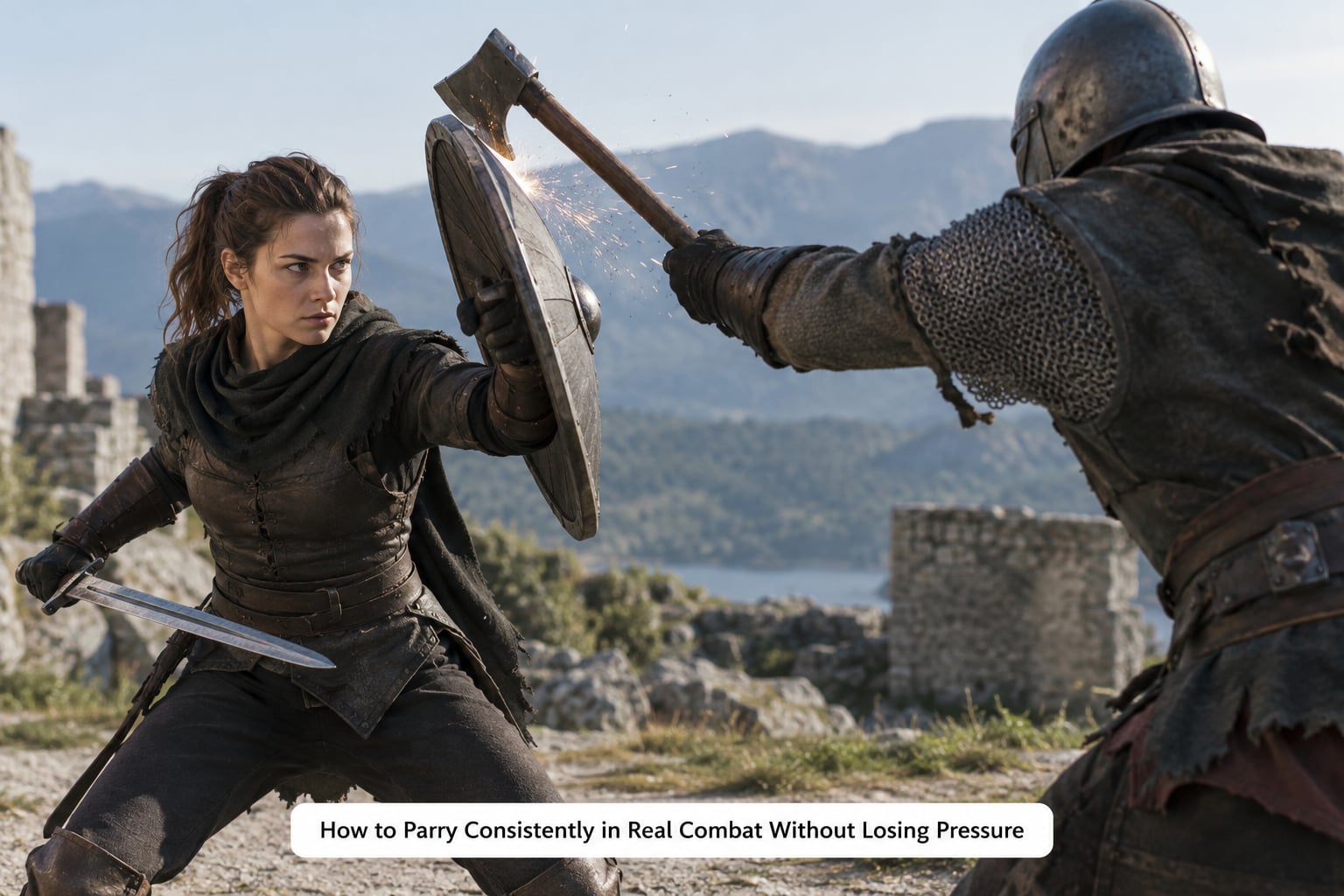
Isolated drills are practice, not performance. The moment you combine them with positioning, the cue you were watching gets hidden behind the rest of the fight.
Work on three habits together. Parry the first hit of a string, then immediately hold block or reposition for the rest. Take the riposte only when the enemy is genuinely locked in recovery. And keep moving between parries so the enemy cannot chain you in place.
Lies of P players settle on a similar rhythm: block the opening hit, lock into the pattern, then parry the follow-ups once the pattern has announced itself twice.
Use a Simple Consistency Practice Routine
Twenty minutes a day beats an occasional weekend session, because timing is motor learning and motor learning needs repetition spread over time.
Split the session: five minutes reading the wind-up without pressing anything, ten minutes on the ten-attempt drill, five minutes in a real fight applying it. Track the same number each session so you can see the trend rather than the vibe.
Over four weeks, raise the target in stages. Week one, eight out of ten on the easiest swing. Week two, ten out of ten on a mid-speed attack. Week three, ten out of ten while moving. Week four, ten out of ten against a boss that mixes two attack types.
Common Mistakes
Pressing on the wind-up. This is the most repeated question on parry forums, and the answer is that you press on contact. The wind-up is your cue to start paying attention, not your cue to press.
Mashing the button. Consecutive presses shrink your window in games built to punish it, and in every other game they just leave you recovering from an empty animation.
Treating guard as parry. Holding block while waiting means the parry input starts late, because the game treats the guard animation as the beginning of the input. Tap the parry directly.
Only practising in boss fights. Bosses add music, phase changes and pressure to the exact variable you are trying to isolate. Fix the timing on something boring first.
Ignoring sound. If you play with the volume low, you are training with a cue missing. Raise it and learn what each swing sounds like.
Panicking after a whiff. The miss queues another press, which queues another miss. The reset is to walk out of range, breathe once, and re-enter deliberately.
Parrying the last hit of a string. If you are reacting to each hit separately you will always be a step behind. Read the whole string first, then commit.
Blaming stats or frame rate. Upgrades rarely widen the timing window; in Expedition 33, players note that the window is skill-based and not scaled by stats. If parries feel broken, test on a different setup before you assume the problem is you.
Frequently Asked Questions
Should I parry on the wind-up or at the moment of contact?
Parry on contact. The wind-up tells you an attack is coming, but the parry window opens only around the moment the attack lands. Pressing during the wind-up means your window closes before the hit arrives, so you eat a clean hit. Watch the wind-up, then press as the weapon meets your guard or just before.
How long does it take to get consistent at parrying?
Most players see measurable improvement within two weeks of short daily drills and reach a reliable eight or nine out of ten in about a month. The speed depends almost entirely on practice quality. Ten counted attempts against one slow attack beats an hour of unstructured boss attempts, because you can only fix what you measured.
Is mashing the parry button ever correct?
Rarely. Some games widen a window on the first consecutive press or reward follow-up strings, but many explicitly shorten parry frames each time you press again, which is why mashing feels like it works and then abruptly stops working. One deliberate press per incoming attack is the more reliable rule in every system.
Do stats or upgrades make parrying easier?
Rarely in any direct sense. Most games treat the timing window as fixed frame data rather than something your gear modifies, so better weapons buy you more room to recover from a miss rather than a wider parry. Accessibility settings that widen the window, such as the assist option in Ghost of Tsushima or the adjustable window in Jedi: Fallen Order, are the exception worth checking.
What is the difference between a parry, a block and a deflect?
A block absorbs damage at a cost, usually health or stamina. A parry negates the hit and opens a counterattack. A deflect, the Sekiro style, is a rhythmic version of a parry where each successful input raises a posture meter and each miss breaks your guard, so one mistake cascades into several.
Why do my parries sometimes not register even though the timing feels right?
Usually input latency rather than skill. On a display or connection that adds delay, a press that feels correct on your end arrives late. Check with a wired controller and a local connection, and rule out frame-rate dips during the fight. If a parry lands reliably on one setup and not another, the setup is the variable.
Start tonight with the slowest telegraphed swing in the game and ten counted attempts. Fix the contact-moment press first, keep mashing out of it, and add a rule for what you do after every miss. The consistency follows from the drill, not from the fight you happened to win while mashing.